Strengthening Relationships: Attachment Theory for Parents

As parents and caregivers, one of the most powerful ways we can support our children is through the relationships we build with them. Attachment theory helps us understand how these early bonds shape a child’s sense of safety and confidence. By learning about attachment and applying practical strategies, parents can strengthen connections, respond thoughtfully to behaviours, and nurture resilience in their children.
WHAT IS ATTACHMENT THEORY
Attachment theory is a framework that explains the emotional bond between a child and their primary caregivers. Developed from decades of research, it highlights how these bonds influence a child’s development, socially, emotionally and even cognitively. Simply put, children thrive when they feel seen and supported, and they can navigate the world with confidence when they trust that a caregiver is consistently available and responsive.
This doesn’t mean being perfect, nobody is. This is about creating a secure base that children can rely on, even when mistakes happen.
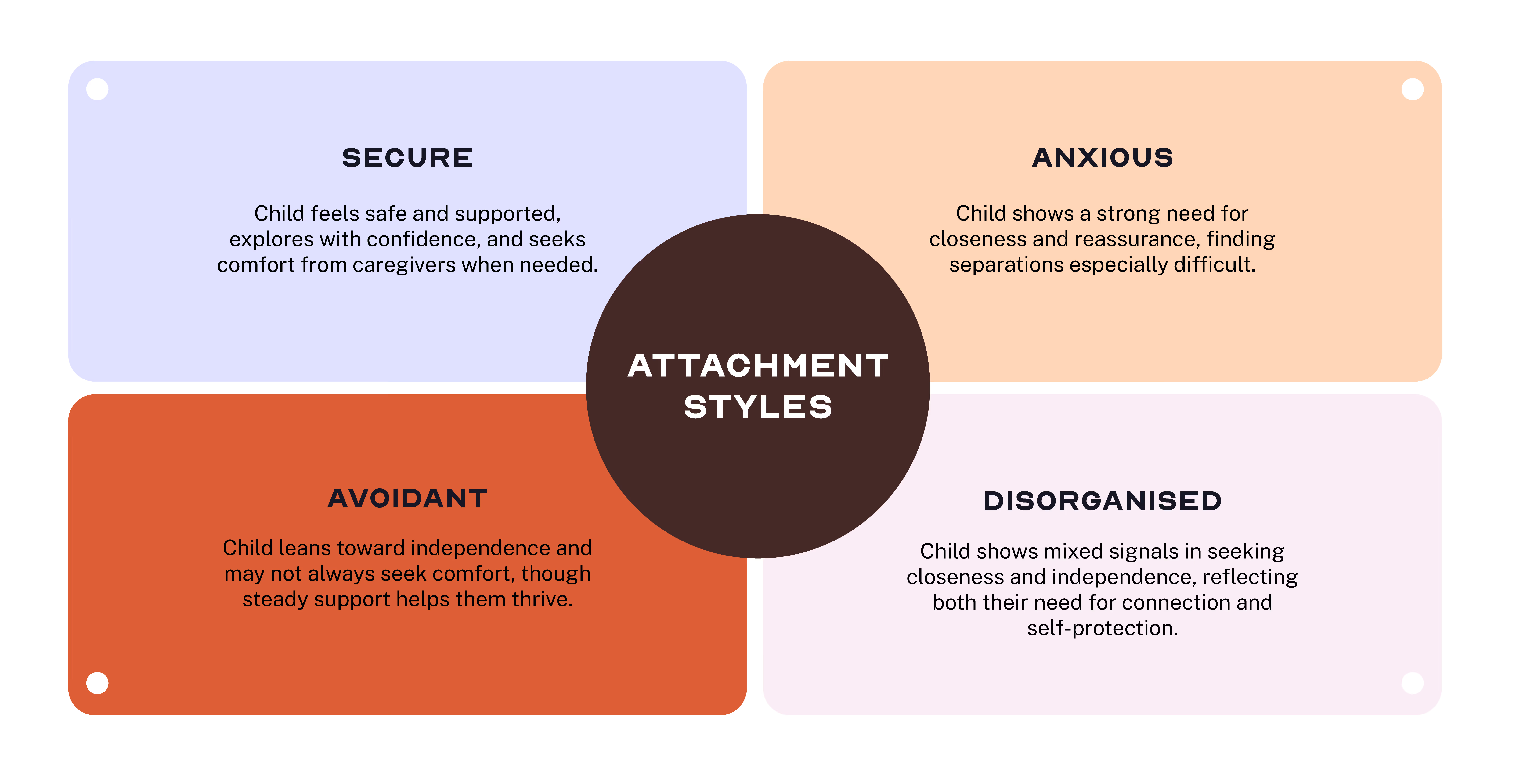
Lets take a look at the 4 attachment styles?
WHY IS ATTACHMENT IMPORTANT
Secure attachment supports a child’s ability to:
- Develop emotional regulation and resilience.
- Build trust in relationships with others.
- Explore the world confidently.
- Respond positively to challenges and setbacks.
- Develop empathy and social understanding.
Children who experience insecure or disrupted attachment may struggle with anxiety, trust, and emotional regulation. Recognising this early and responding thoughtfully as a caregiver can prevent small challenges from becoming ongoing patterns.
SIGNS THAT ATTACHMENT NEEDS ATTENTION
Not every child who experiences challenges with attachment is “difficult” or “disconnected.” Often, the signs are subtle. Parents might notice:
- Frequent clingingness or fear of separation.
- Difficulty self-soothing or calming down.
- Outbursts of anger or frustration disproportionate to the situation.
- Avoidance of closeness or reluctance to seek comfort.
- Anxiety around new situations or people.
- Regression in skills or behaviours (e.g., toileting, sleep).
- Trouble forming friendships or showing empathy.
- Persistent worry, sadness, or emotional flatness.
These behaviours are signals, not labels. They present opportunities for parents to step in thoughtfully and strengthen the bond.
How Parents Can Support Secure Attachment
Attachment isn’t fixed, it’s something that can grow stronger over time with awareness, patience, and consistency. Here are some practical ways parents can nurture their connection:
- Notice your responses
Pay attention to how you respond to your child’s emotions and behaviours. Are you reacting out of frustration, stress, or distraction? Awareness is the first step toward more intentional, supportive responses.
- Acknowledge feelings
Validation matters. Even when behaviour isn’t ideal, recognising your child’s feelings communicates that they are seen and understood. For example:
“I can see you’re really upset right now. It’s okay to feel frustrated, let’s figure this out together.”
- Manage Behaviour and responses or otherwise known as your shark music
Changing how we respond doesn’t mean ignoring challenges. It means:- Staying calm during conflict.
- Avoiding punitive reactions that damage trust.
- Offering comfort and reassurance first, then guiding problem-solving.
Over time, these consistent responses teach children that emotions are safe to express and that relationships are reliable.
- Create predictable routines
Consistency fosters security. Regular mealtimes, bedtime routines, and check-ins help children feel safe and know what to expect, reducing anxiety and supporting attachment.
- Prioritise quality time:
Simple, focused interactions like reading together, playing, or talking about the day, build trust and connection. Even brief moments of attention and presence can have a lasting impact.
BUILDING STRONGER BONDS ONE STEP AT A TIME
Parenting is complex, and every child is unique. Strengthening attachment doesn’t happen overnight, but small, thoughtful actions create a ripple effect. By noticing your responses, validating feelings, managing interactions mindfully, and creating a predictable, loving environment, you can foster resilience, confidence, and secure bonds that last a lifetime.
Remember: perfection isn’t the goal. Studies suggest that if you are able to meet your child’s needs accurately 3 out of 10 times, that’s good enough. Consistency, empathy, and presence matter far more than flawless parenting. It’s natural to be unsure at times. If you’d like to talk things through or explore new ways to strengthen your connection with your child, our team at Ignite Psychology is here to walk alongside you.
Subscribe to newsletter
Our Blog
Explore our latest articles and discover little embers of insight. From inspiring stories, to practical guidance and support, each blog is thoughtfully written to help light the path ahead.
Strengthening Relationships: Attachment Theory for Parents
As parents and caregivers, one of the most powerful ways we can support our children is through the relationships we build with them.

How to Recognise and Respond to Bullying in Class
For primary teachers, every day is about more than teaching literacy or numeracy. They play a significant role in creating a classroom where children feel safe, connected, and ready to learn.

Why “How Was Your Day?” Isn’t Working, and What to Ask Instead
By the time school ends, most kids are running on empty. They’ve spent the whole day thinking, sharing, listening, navigating social moments, moving between activities, and following instructions.