How to Recognise and Respond to Bullying in Class
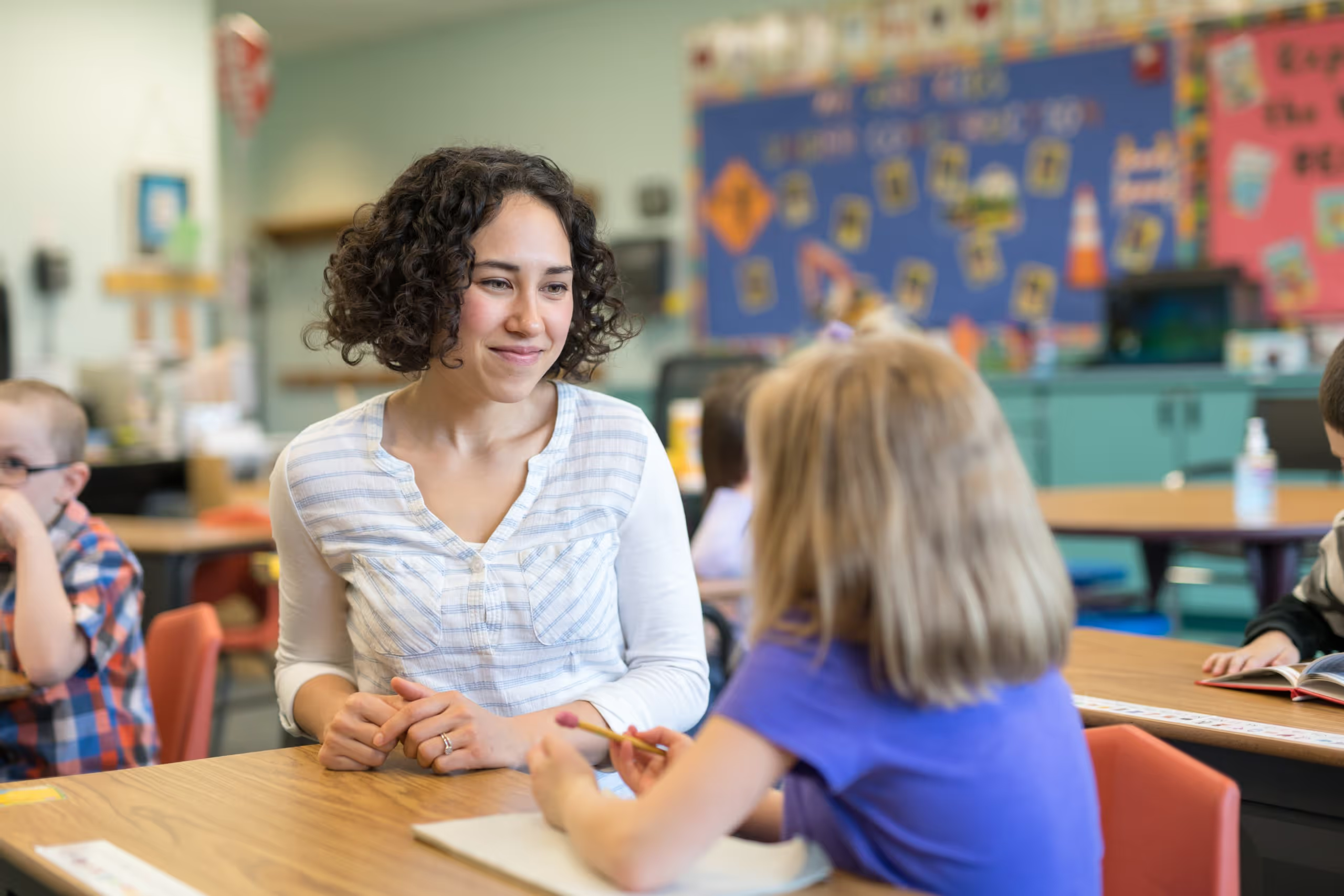
For primary teachers, every day is about more than teaching literacy or numeracy. They play a significant role in creating a classroom where children feel safe, connected, and ready to learn. Bullying disrupts that safety. It affects a child’s confidence, their friendships, and their ability to focus on schoolwork.
Because children in the primary years don’t always have the words to explain what’s happening, teachers play a vital role in noticing early signs and responding with care.
WHAT IS BULLYING?
Bullying is not just an occasional squabble between classmates. Disagreements and fallouts are a normal part of growing up. Bullying, however, is deliberate, repeated behaviour that causes harm and creates a power imbalance. It leaves a child feeling unsafe, left out, or unable to stand up for themselves.
In primary school, bullying may look like:
- Physical: pushing, hitting, or damaging belongings.
- Verbal: name-calling, teasing, or taunting.
- Social: excluding someone from games, whispering, or spreading rumours.
- Online: mean messages in group chats or apps (even at this age, some children are exposed.)
Sometimes the behaviour is subtle; an eye-roll, a group turning their backs, or a child consistently being left out. Over time, these patterns can have a serious impact.
SIGNS TO WATCH FOR IN YOUNGER CHILDREN
TERTIARY HEADLINE
Primary-aged students often show their feelings through behaviour, not words. They may not say, “I’m being bullied,” but their actions can tell you something is wrong.
Look out for:
- Reluctance to come to school, or frequent unexplained “tummy aches”.
- Withdrawing from friends or avoiding playground games.
- Tearfulness, irritability, or sudden outbursts.
- Losing interest in activities they once loved.
- A drop in classroom participation or achievement.
- Wanting to sit close to you or avoid certain peers.
- Changes in eating habits, skipping recess or lunch.
- Tiredness, lack of focus, or signs of poor sleep.
No single sign proves bullying is happening, but these changes are important clues.
HOW TEACHERS CAN RESPOND
Your response as a trusted adult can make a huge difference to a child who feels alone.
- Listen with patience.
If a child shares something, or if you suspect something is wrong, keep your tone calm and reassuring. Instead of asking lots of big questions, try gentle prompts:
- “You seemed a little quieter at playtime. Is something worrying you?”
- “I noticed you were sitting by yourself today. Do you want to tell me about it?”
- “You didn’t seem as excited about [activity] today. Is everything okay?”
Give them space to talk in their own time.
- Create a safe environment.
Sometimes children are more willing to share when they know it’s just the two of you, in a quiet corner of the classroom or during a break. A sense of safety encourages honesty.
- Record and monitor.
Keep notes about what you observe, changes in behaviour, incidents in the playground, or repeated patterns. This helps you track what’s happening over time and provides useful information for the school's wellbeing team or leadership.
- Work together.
You don’t need to manage bullying alone. Share your observations with colleagues and, when appropriate, with the child’s parents. A united approach ensures the child feels supported at school and at home.
- Trust your instincts.
Teachers know their students well. If you sense something isn’t right, it’s worth following up.
CREATING A CULTURE OF SAFETY IN YOUR CLASSROOM
While responding to incidents is important, prevention is just as powerful. Primary school is the perfect time to help children learn empathy, kindness, and respect.
- Set clear expectations. Use classroom agreements or values that the students help create, so they feel ownership.
- Model kindness. The way you respond to conflict shows children how to treat others.
- Encourages inclusion. Rotate groups and partners so no child feels consistently left out.
- Normalise help-seeking. Remind students that talking to a teacher is always the right thing to do if they feel unsafe.
- Celebrate positive behaviour. Acknowledge acts of kindness, sharing, and teamwork.
These small, consistent actions build a classroom culture where bullying struggles to take hold.
WHY YOUR ROLE MATTERS
When bullying is addressed promptly, children are more likely to feel supported, rebuild friendships, regain confidence, and stay engaged with learning. Teachers, families, and school communities all play a role in creating this safe and nurturing environment.
MOVING FORWARD WITH RESILIENCE
Every teacher has the opportunity to create a safe space where bullying is not ignored but addressed with compassion and clarity. By noticing the early signs, listening with patience, and working together with colleagues and families, you can help children navigate challenges and grow stronger through them.
Primary school is where children begin to form their sense of self and their place in the world. With your steady support, they can learn not only that bullying can be overcome, but that they are never alone in facing it.
Let's Ignite the change we wish to see.
Subscribe to newsletter
Our Blog
Explore our latest articles and discover little embers of insight. From inspiring stories, to practical guidance and support, each blog is thoughtfully written to help light the path ahead.

Strengthening Relationships: Attachment Theory for Parents
As parents and caregivers, one of the most powerful ways we can support our children is through the relationships we build with them.
How to Recognise and Respond to Bullying in Class
For primary teachers, every day is about more than teaching literacy or numeracy. They play a significant role in creating a classroom where children feel safe, connected, and ready to learn.
Why “How Was Your Day?” Isn’t Working, and What to Ask Instead
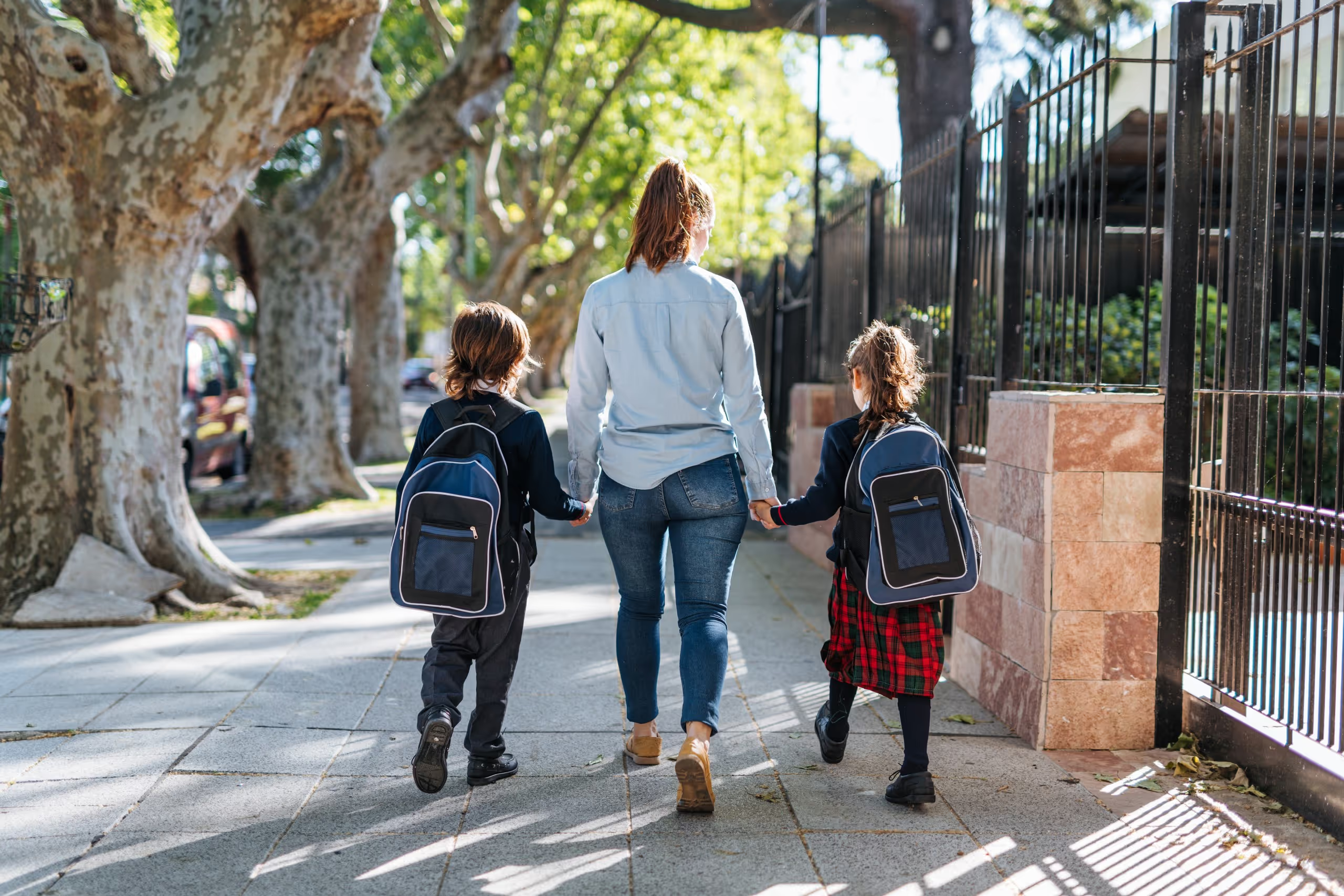
By the time school ends, most kids are running on empty. They’ve spent the whole day thinking, sharing, listening, navigating social moments, moving between activities, and following instructions.